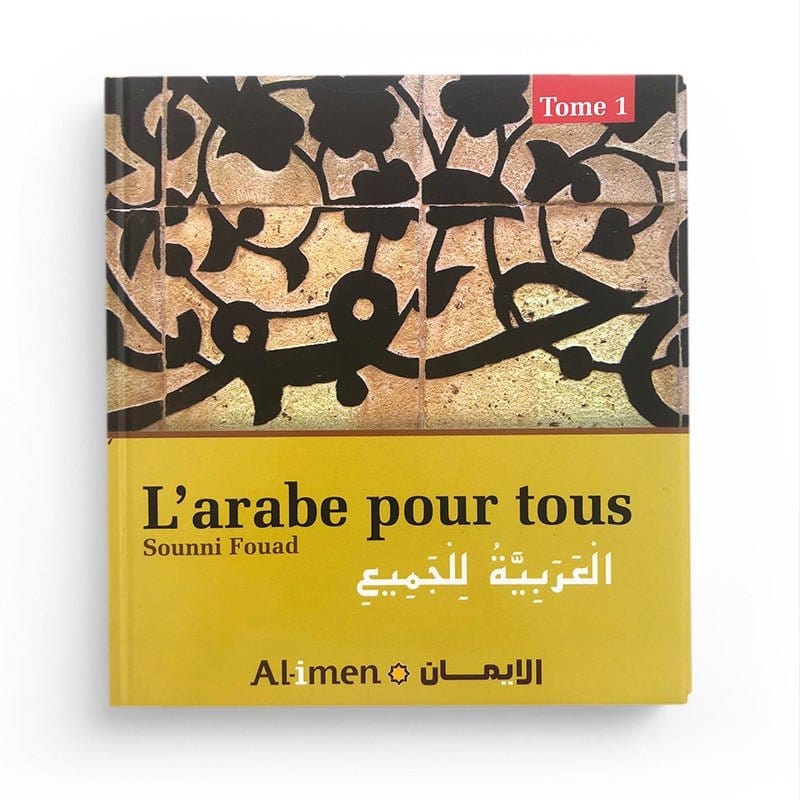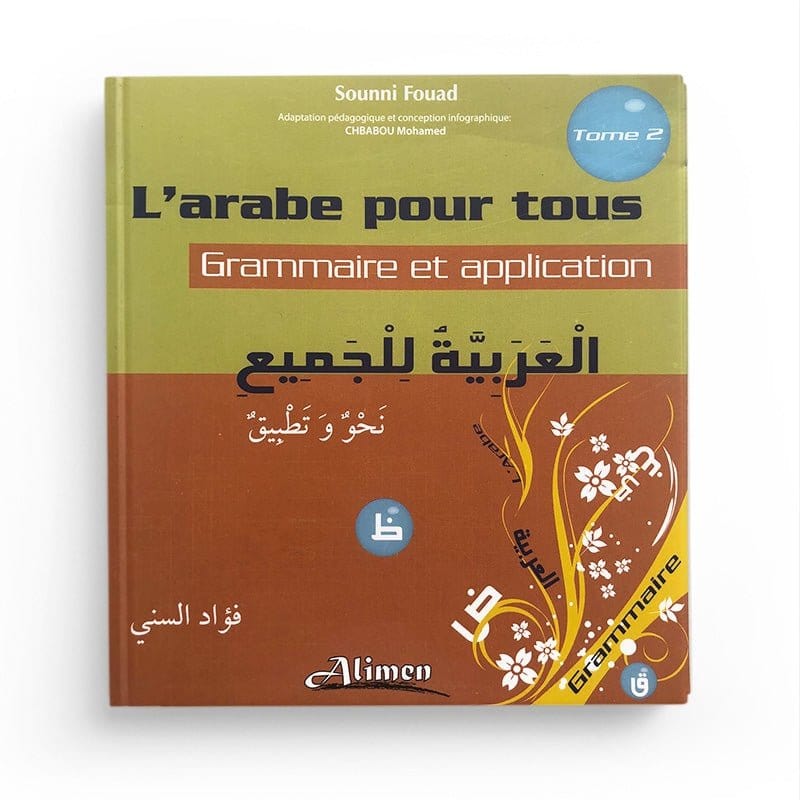
Barakallahu feek (بارك الله فيك) means "May Allah bless you". This invocation of blessing expresses gratitude, protection against the evil eye, and strengthens fraternal bonds. More than a simple thank you, it is an authentic du'ā' rooted in the Prophetic Sunnah. At Al-Imen, explore our works in French and Arabic to deepen your understanding of these expressions that nourish the believer's heart.
Meaning and Linguistic Analysis
Barakallahu feek is an invocation composed of three Arabic elements that form a prayer of blessing for others. This expression transcends simple gratitude to become an authentic spiritual act.
Morphology and Root
- Bāraka (بَرَكَ) : verb meaning "to bless" or "to grant blessing"
- Allāhu (الله) : proper name of God in Arabic
- Fī(k) (فِيك) : preposition "in/on" + possessive pronoun "you"
- Transliteration : bāraka-llāhu fī-ka (masc.), fī-ki (fem.), fī-kum (plural)
| Form | Gender/Number | Transcription | Literal Translation |
|---|---|---|---|
| بارك الله فيك | Masculine | feek | May Allah bless you (to a man) |
| بارك الله فيكِ | Feminine | feeki | May Allah bless you (to a woman) |
| بارك الله فيكم | Plural | feekum | May Allah bless you (to several people) |
Semantic Evolution
- Pre-Islamic Period : baraka already evokes prosperity and natural abundance
- Classical Period : theological centrality of divine blessing in 'aqīdah
- Contemporary Uses : diffusion in the everyday language of Muslim Francophones and beyond

Quranic and Prophetic Foundations
The notion of baraka (blessing) runs through the entire Quran and constitutes a pillar of prophetic teaching. This expression is rooted in the sacred texts of Islam.
Quranic occurrences of baraka
The term baraka and its derivatives appear frequently in the Quran, emphasizing the importance of divine blessing:
« We blessed [the land] and its surroundings. » (Quran 7:137)
« This is a blessed Book that We have sent down to you. » (Quran 38:29)
Usage in the Sunnah (hadiths)
The Prophet ﷺ encourages to invoke blessing for others, particularly in response to a favor or to protect oneself from the evil eye.
« Whoever does you a good deed, reward him; and if you do not find the means to reward him, invoke blessing for him until you consider that you have rewarded him. » [Abû Dâwûd]
This tradition clearly establishes that invoking blessing constitutes a form of legitimate and encouraged spiritual reward.
To deepen your study of the sources, consult our collections of authentic hadiths.
Cultural and Social Usage
« Barakallahu feek » is used in multiple social and cultural contexts, extending far beyond the purely religious framework to become an expression of civility and goodwill.
Contexts of daily use
- Sincere gratitude : after a service, a gift, material or moral assistance
- Congratulations : professional success, marriage, birth, spiritual accomplishment
- Spiritual protection : against the evil eye when admiring a possession or quality
- Encouragement : support a good action, a virtuous or charitable initiative
Regional variations
| Region | Local form | Specific usage |
|---|---|---|
| Maghreb | Barakallahoufik | Gratitude, daily blessing |
| Levant | Allah yebārek fīk | Wish for prosperity, protection |
| Turkey/Balkans | Barakallah | Versatile abbreviated formula |
| South Asia | Allah pak āp ko barkat de | Urdu/Hindi version |
Intercultural dimension
The expression has gained recognition beyond Muslim communities, testifying to the richness of cultural exchanges and universal appreciation for blessing formulas.
Appropriate Responses
Receiving "Barakallahu feek" calls for specific responses according to traditional Islamic etiquette. These responses maintain the spiritual exchange and strengthen fraternal bonds.
Recommended Classic Responses
| Recipient | Appropriate Response | Translation |
|---|---|---|
| To a man | وَفِيكَ بَارَكَ اللهُ (wa fīka bāraka Allah) | And in you may Allah bless |
| To a woman | وَفِيكِ بَارَكَ اللهُ (wa fīki bāraka Allah) | And in you may Allah bless |
| To several people | وَفِيكُمْ بَارَكَ اللهُ (wa fīkum bāraka Allah) | And in you may Allah bless |
Other Accepted Responses
- "Āmīn" (آمين) : simple acceptance of the blessing
- "Jazākallahu khayran" (جزاك الله خيرا) : "May Allah reward you with goodness"
- "Allāhumma bārik fīk" (اللهم بارك فيك) : "O Allah, bless him"
To master these formulas, consult our authentic invocations works.
Spiritual Dimension
Beyond its social use, "Barakallahu feek" carries a profound spiritual meaning that touches the very essence of Islamic brotherhood and the circulation of divine grace.
Authentic Invocation (du'ā')
Saying "Barakallahu feek" constitutes a true spiritual act:
- It is a sincere prayer for the well-being of others
- It invokes divine protection upon the person
- It manifests the fraternal benevolence that is recommended
- It generates spiritual rewards for the one who expresses it
Transmission of Baraka
Islamic tradition teaches that:
- The blessing invoked for others also returns to the one who pronounces it
- This circulation of baraka strengthens communal bonds
- It creates a chain of spiritual benevolence
- It protects against envy and the evil eye
Perspective of Islamic Schools
- Sunnism: universally accepted and encouraged in all madhāhib
- Sufism: baraka takes on a mystical dimension, linked to spiritual transmission
- Consensus ('ijmā'): no divergence on the legitimacy of this invocation
Deepen these aspects with our Faith and Spirituality collection.
Related Expressions
The semantic field of blessing in Arabic offers several expressions complementary to "Barakallahu feek", each with its specific nuances.
Similar blessing formulas
- « Bārakallāhu lakum » (بارك الله لكم) : "May Allah bless you" (different form)
- « Allāhumma bārik » (اللهم بارك) : "O Allah, bless" (direct invocation)
- « Mā shā'Allah » (ما شاء الله) : "What Allah has willed" (protection against the evil eye)
- « Tabārak Allah » (تبارك الله) : "Blessed be Allah" (divine glorification)
Appropriate contextualization
Each expression corresponds to specific situations:
- To thank : Barakallahu feek + Jazākallahu khayran
- To congratulate : Barakallahu feek + Mā shā'Allah
- To protect : Mā shā'Allah + Barakallahu feek

Al-Imen Selection (FR & AR)
Enrich your understanding of Islamic expressions and the spirituality of blessing with our selection of authentic works.
FRARBlessingsDu'ā'
Works in French
- The Citadel of the Muslim — Complete collection of authentic invocations
- The invocations of morning and evening — Daily guide to adhkār
- Collection Islamic Faith (8 volumes) — Theological deepening
- Small words of Islam 4 — Islamic expressions for the family
Works in Arabic (عربي)
- حصن المسلم — الأذكار الصحيحة — Authentic invocations in Arabic
- مصحف التجويد برواية قالون — Quran with tajwīd rules
- الأسماء الحسنى — The 99 Beautiful Names of Allah
- كتاب الأذكار للنووي — Classical collection of invocations by An-Nawawī
Frequently Asked Questions
Authentic answers to common questions about « Barakallahu feek » according to traditional Islamic sources.
How to write it correctly in Arabic?
Masculine : بارك الله فيك — Feminine : بارك الله فيكِ — Plural : بارك الله فيكم.
What is the best response to « Barakallahu feek »?
وَفِيكَ بَارَكَ اللهُ (to a man), وَفِيكِ بَارَكَ اللهُ (to a woman), or وَفِيكُمْ بَارَكَ اللهُ (to several people). A simple « Āmīn » is also acceptable.
Difference with « Jazakallahu khayran »?
« Jazakallahu khayran » = « May Allah reward you with goodness » (future reward). « Barakallahu feek » = present blessing. Both can be used together.
Can you say it to a non-Muslim?
Yes, it is a prayer of universal goodwill. You can briefly explain its meaning (« May God bless you ») for greater clarity and respect.
In which contexts should you use it?
Sincere thanks, congratulations, protection against the evil eye, encouragement for a good deed, expression of spiritual gratitude.
Is it only for special occasions?
No. This expression is also used for simple gestures: daily help, kind advice, a smile, any manifestation of kindness.
Is there a particular time to use it?
Any appropriate moment : after a service rendered, when receiving a gift, when congratulating, or spontaneously to express fraternal goodwill.
Key takeaway : « Barakallahu feek » transcends simple thanks to become an authentic invocation that strengthens fraternal bonds and invites divine blessing. Integrate this expression into your daily exchanges with awareness and sincerity. To go deeper: Authentic Invocations, Faith and Spirituality, Prophetic Traditions.
📚 Also Read
−5 % off the entire library with code BLOG5
Valid on the entire site, no minimum purchase — our thanks to our blog readers.
Discover the selection