Health and Ramadan: Hydration, Sports, Fatigue and Sleep - Complete Guide
In Brief
This comprehensive medical-practical guide answers the most frequent and concerning health questions during Ramadan. You will learn what modern science and validated prophetic medicine say about the real benefits of prolonged fasting.
Discover how to hydrate effectively between iftar and suhoor to maintain your complete vitality. We detail the exact timing and how to exercise during Ramadan without risk to your physical health.
You will learn to effectively manage persistent fatigue, frequent headaches and sleep disorders. We also address special cases: chronic diabetes, current pregnancy, active breastfeeding, regular medication use. Each piece of advice is supported by solid scientific references and scholarly opinions.
Ramadan is a month of spirituality, introspection and personal transformation. But 30 days of fasting also brings real physiological challenges: dehydration, fatigue, headaches, and sleep disruption.
How can you maintain your energy and health during this blessed month? How do you manage exercise, hydration and rest? And what should you do if you suffer from diabetes, are pregnant, or take medications?
This comprehensive guide provides you with answers based on modern medical science and the teachings of the Quran and the Sunna. You will discover practical strategies, hydration charts, advice on physical training, and solutions for special cases.
Whether you are a regular faster or it is your first time, this article will help you experience a healthier and more balanced Ramadan.

What do science and the Sunnah say about the effects of fasting on the body?
Fasting is not blind deprivation: it is a profound physiological mechanism that has attracted the attention of modern researchers. In 2016, the Nobel Prize in Physiology or Medicine was awarded to Yoshinori Ōsumi for his discoveries on autophagy, a process that fasting naturally triggers.
What is autophagy? Simply put, it is the body's "cellular cleaning" mechanism. When you fast, your cells feed on their own damaged structures, recycle them, and renew themselves.
This is why intermittent fasting is associated with several scientifically proven benefits:
- Reduction of inflammation in the body
- Improvement of insulin sensitivity
- Activation of cellular repair mechanisms
- Strengthening of the immune system after fasting
The Quran and the Sunnah moreover encourage moderation and care of the body. The Prophet Muhammad, peace and blessings be upon him, said: «لَا ضَرَرَ وَلَا ضِرَارَ» (lā darar wa-lā dirār - "There is neither harm nor reciprocal harm"), a hadith that emphasizes the importance of preserving one's health.
Similarly, the Quran states: «وَكُلُوا وَاشْرَبُوا وَلَا تُسْرِفُوا» (wa-kulū wa-ashrabū wa-lā tusrifū - "Eat and drink, but be not excessive") (Quran 7:31). Understanding Islamic spirituality in daily life includes this wisdom of bodily well-being.
Recommended reading on prophetic medicine

Prophetic Medicine - Ibn Qayyim al-Jawziyya
The reference work on prophetic medicine by Ibn Qayyim al-Jawziyya. Discover the teachings of the Prophet on nutrition, hygiene and natural remedies, particularly relevant for balanced fasting.
16,90 €
View the productHow to Hydrate Effectively Between Iftar and Suhoor?
Dehydration is the silent enemy of Ramadan. Between sunset and sunrise, you have approximately 12 to 14 hours without food or water. It's an enormous challenge, especially in hot countries or during summer months. Hydration is not optional: it is an absolute priority.
Hourly Hydration Schedule (Practical Example)
| Time | Water Quantity | Practical Advice |
|---|---|---|
| At Iftar (breaking signal) | 1-2 glasses | Start slowly, without excess. Wait 15-20 minutes before eating. |
| 20 minutes after iftar | 1-2 glasses | Accompany your main meal. |
| Between iftar and tarawih (break) | 2-3 glasses | Make use of the time before night prayers. |
| After tarawih | 1-2 glasses | Hydrate yourself before rest. |
| At Suhoor (pre-dawn meal) | 2-3 glasses | Drink regularly during the meal. |
Signs of Dehydration and Prevention
Recognizing the signs of dehydration is crucial. You may have been fasting for too long without knowing it. Symptoms include:
- Intense headaches (see next section)
- Dizziness or vertigo
- Dry mouth and lips
- Very dark urine or reduced frequency
- Extreme fatigue (with no obvious reason)
Water-rich foods to consume at iftar and suhoor:
- Fruits: watermelon (92% water), melon (90%), orange (87%), grapes (80%)
- Vegetables: cucumber (95%), tomato (94%), lettuce (96%)
- Dairy products: plain yogurt, milk
- Soups: an excellent vehicle for hydration and nutrition
For balanced meal ideas at iftar and suhoor, consult our Ramadan recipes guide and our Ramadan planning for optimal organization.
Can you exercise during Ramadan and at what time?
Many fasters abandon exercise believing it's impossible - this is actually one of the common Ramadan mistakes. Exercise is not only possible during Ramadan, but it can even be beneficial for mental and physical health.
The key? Timing and adaptation.
When to Train: Before Iftar vs After Tarawih
The majority of Muslim sports doctors recommend training in the hours preceding iftar, rather than after. Why? Because you can immediately replenish your energy reserves and rehydrate your body.
A workout at 5:30 PM (one hour before iftar at 6:30 PM) is safer than a workout at 9 PM.
Types of Adapted Exercises
| Type of Exercise | Intensity | Recommended Time | Duration |
|---|---|---|---|
| Brisk walking | Moderate | Anytime, except very early morning | 30-45 min |
| Yoga or Stretching | Low | Ideal after tarawih | 20-30 min |
| Light weight training | Moderate | 1 hour before iftar | 20-30 min |
| HIIT or Intense Cardio | High | To be avoided during fasting | Not recommended |
| Swimming/Water aerobics | Moderate | 1 hour before iftar | 30-40 min |
Advice from Muslim sports doctors: Assess your energy level daily. If you are too tired, refrain from exercising. Ramadan is not an athletic competition; it is a month of reflection and wellness.
How to manage fatigue, sleep and headaches during Ramadan?
Fatigue is inevitable during Ramadan. Your body must adapt to a new schedule, reduced energy intake and a disruption of your circadian rhythm (biological clock). The good news? You can minimize these effects.
Recommended reading on sleep management and spiritual well-being

Manual of Spiritual Medicine - Ibn Daud
A comprehensive guide combining prophetic medicine and spiritual well-being. This work addresses stress management, sleep and inner balance, essential themes for getting through Ramadan peacefully.
26.00 €
See the productSleep Management with Nightly Prayers
The prayers of التراويح (al-trawīḥ - tarawih, the additional Ramadan prayers) can last 1 to 2 hours - consult our tarawih guide to optimize your routine. Combined with obligatory prayers, this deeply disrupts sleep.
Recommended strategy:
- Sleep in two phases: a 30-45 minute nap just after iftar (before tarawih), then 5-6 hours of sleep after tarawih.
- Practice القيلولة (al-qaylūlah - the afternoon nap). Prophet Muhammad appreciated napping. A 20-30 minute nap improves alertness and reduces fatigue.
- Create a stable routine: go to bed and wake up at regular times, even during Ramadan. This helps your body adapt.
- Avoid screens one hour before bedtime. Blue light inhibits melatonin (the sleep hormone).
Headaches Related to Caffeine Withdrawal
If you consumed coffee or tea before Ramadan, stopping abruptly causes migraines. This is a real physiological dependency. Ramadan is not the ideal time to stop caffeine; prepare yourself gradually.
Solutions:
- Pre-Ramadan (two weeks before): gradually reduce your caffeine consumption.
- At iftar: a cup of coffee or tea in the evening can prevent headaches.
- Maximum hydration: dehydration amplifies migraines.
- Active rest: a short nap can relieve a mild headache.
Optimized Nap Schedule (Qaylulah)
| Nap Time | Duration | Benefits |
|---|---|---|
| After Dhuhr (noon) | 20-30 min | Quick afternoon recharge |
| Between Asr and Maghrib | 30-45 min | Prepares the body for iftar and tarawih |
| After Fajr (if possible) | 45-60 min | Compensates for lack of nighttime sleep |
Tip: Do not sleep more than 60 minutes during a nap. Beyond that, you enter deep sleep and will feel groggier when you wake up.

How to Manage Ramadan with Diabetes, Pregnancy, or Medications?
Important: If you suffer from a medical condition, consult first your doctor AND a competent Islamic scholar. Your health and well-being are paramount.
Diabetes and Ramadan
People with diabetes can fast, but with great caution. There are two major risks:
- Hypoglycemia (dangerous drop in blood sugar)
- Hyperglycemia (dangerous elevation of blood sugar)
Medical Recommendations:
- Consult your endocrinologist at least one month before Ramadan.
- Adjust your medication or insulin doses under medical supervision.
- Measure your blood sugar regularly (before iftar, after iftar, before suhoor).
- Break your fast immediately if you have symptoms of hypoglycemia: trembling, cold sweats, confusion.
Islamic Opinion: Scholars agree that a diabetic who fears for their health is exempt from fasting (معفي من الصيام - mu'affā min al-siyām). To learn more about the rules of fasting, consult our comprehensive guide to the fiqh of fasting.
Allah says in the Quran: «وَلَا تَقْتُلُوا أَنفُسَكُم» (wa-lā taqtulū anfusakum - "Do not kill yourselves") (Qur'an 4:29).
Pregnant and Nursing Women
Islamic law exempts pregnant and nursing women from obligatory fasting. The unanimous opinion of Muslim scholars is that preserving the health of the fetus or baby is a priority.
To understand the mechanisms of compensation (fidya), consult our comprehensive guide on fidya and kaffara.
Medical Considerations:
- Pregnancy increases energy needs by 300-500 kcal/day.
- Prolonged fasting can affect fetal growth and reduce the quality of breast milk.
- Some healthy pregnant women choose to fast a few days. This is a personal decision to make with the doctor and spouse.
Medications and Fasting - Complete Chart
| Type of Medication | Breaks the Fast? | Recommended Action |
|---|---|---|
| Tablets taken orally | YES | To be taken at iftar or suhoor |
| Injections (insulin, etc.) | No (majority opinion) | Can be taken during fasting |
| Eye drops | No | Without restriction |
| Nasal spray | No (minority: yes) | As a precaution, avoid or use at suhoor |
| Asthma inhaler | No (majority opinion) | Can be used in case of emergency |
| Suppositories | No | Without restriction |
| Dental injection/shot | No | Can be done during fasting |
Important: Islamic opinions vary according to schools of jurisprudence (المذاهب - al-madhāhib). Consult a trusted scholar or contact the legal opinion of your local mosque.
What is the book recommended by the Al-Imen editorial team?
Our editorial team selected this work for its relevance to health issues during Ramadan.

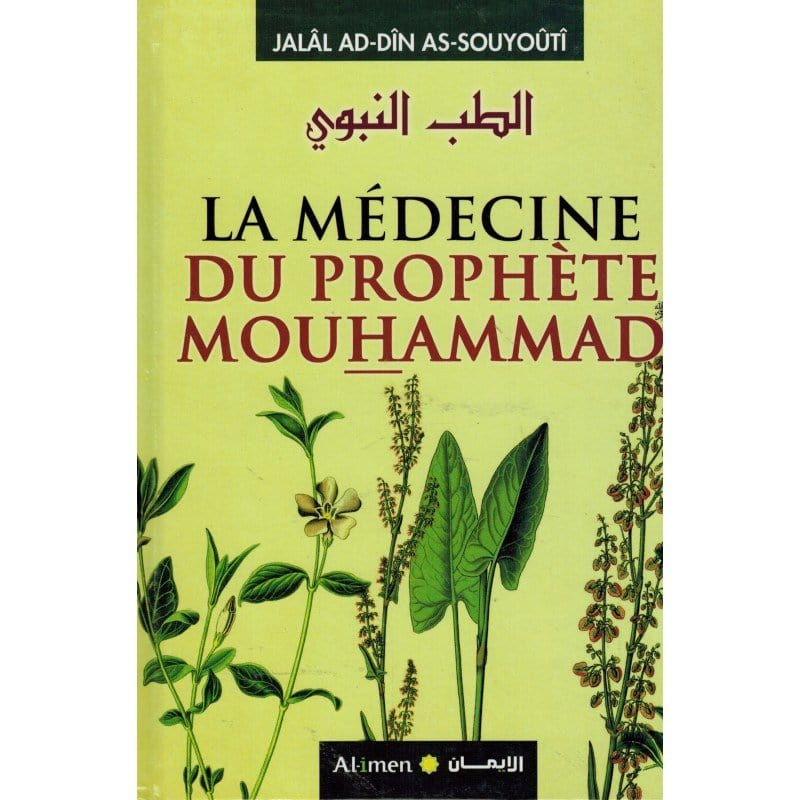
The Medicine of the Prophet Muhammad - Albouraq
A classic on the medicine of the Prophet Muhammad. The detailed work covers prophetic practices related to nutrition, sleep and lifestyle hygiene, offering timeless advice to optimize your health during Ramadan.
15.00 €
View the product
Frequently Asked Questions (FAQ)
Does brushing your teeth break the fast?
No. The majority opinion of Muslim scholars is that brushing your teeth does not break the fast, provided you do not swallow the toothpaste. However, as a precaution, many fasting people prefer to brush their teeth at iftar or suhoor.
You can also use a toothpick or rinse your mouth with water without swallowing it.
Can you have a blood test during fasting?
Yes, a simple blood test does not break the fast. The withdrawal of a small amount of blood is different from a hemorrhage. However, if you feel weak or dizzy, it is wise to postpone the test until after iftar to avoid worsening your condition.
How to manage physical work during Ramadan?
If your work is physically demanding, consult your employer for adjusted schedules. Islamic jurisprudence recognizes that المشقة تجلب التيسير (al-masyaqah tajlib al-taysīr - "difficulty brings ease"). If your health is in danger, you are exempt from fasting on those days and can make up the fasts after Ramadan.
Also consider abundant nutrition at iftar and suhoor.
Is fasting dangerous for elderly people?
Fasting can be safe for healthy elderly people, but requires increased vigilance. Risks include dehydration, low blood pressure, and medication interactions. Consult your doctor before Ramadan. If symptoms appear (severe dizziness, confusion, chest pain), break the fast immediately.
A frail elderly person may be exempt from fasting and pay the الفدية (al-fidyah - compensation: feeding a poor person for each day of missed fasting).
Can you use a nasal spray during fasting?
This is a point of disagreement among scholars. The majority opinion is that a nasal spray does not break the fast, because it does not pass through the esophagus and stomach. However, to avoid any doubt, use it at iftar or suhoor.
If you suffer from severe sinusitis, discuss it with your doctor and your religious scholar.
What are the delivery times for my books?
Al-Imen delivers in mainland France within 2 to 5 business days. For Belgium and Europe, allow 5 to 10 days. Consult our shipping and delivery page for detailed rates and order tracking options.
Key Points to Remember
- Fasting according to modern science improves mental clarity, promotes cellular autophagy and offers documented cardiovascular benefits.
- Effective hydration between iftar and suhoor: drink gradually and regularly rather than large quantities at once.
- Exercise during Ramadan is possible: practice light exercise after iftar or before suhoor, never during fasting.
- Special cases (diabetes, pregnancy, breastfeeding) require adaptations: consult your doctor for a personalized plan without compromising your faith.
Listen to your body: fatigue and headaches are often related to dehydration rather than fasting itself. If you take medications, consult a healthcare professional before Ramadan to anticipate necessary adjustments.
Main Guide
Related Articles
−5% off the entire bookstore with code BLOG5
Valid on the entire site, no minimum purchase — our thanks to blog readers.
Discover the selection